What's the best AI avatar generator? We ran one presenter through 3 models
We gave three avatar models the same still image, the same ElevenLabs voice and three scripts, and kept every first take. Nine UGC-style takes for $5.57, plus a caption problem the pricing pages don't mention.
An AI avatar generator turns one still image and one audio file into a talking-head video, billed per second: $0.0562 on Kling AI Avatar v2 Standard, $0.105 on ByteDance's OmniHuman v2, $0.115 on Kling v2 Pro¹. To compare them properly, we gave all three the same presenter, the same voice, and three different scripts, and kept every first take. Total cost for nine UGC-style takes: $5.57.
The presenter doesn't exist. She's a Nano Banana still from our AI ads cost project; the voice is ElevenLabs' eleven-v4 reading each script for about a cent². Every model gets identical inputs, so what differs on screen is purely what the avatar model does with them. One of the three differences turned out to matter more than lip sync, and I haven't seen it mentioned in a single pricing comparison.
The short version
- Both Kling tiers burned gibberish captions into every take with our presenter. Six takes, six blocks of made-up text drawn into the frame; a $1.29 re-test with a different presenter came back clean, so the trigger is the input still, and nothing tells you in advance. OmniHuman returned clean frames all three times.
- A 30-second avatar ad costs $1.69 to $3.45 in generation. A human UGC creator video averages $150 to $300. The AI take is roughly 50 to 100x cheaper, and only sometimes a substitute.
- Billing follows the audio. OmniHuman's charge tracks your audio file's length; Kling rounds every job up to the same 7.2-second block, so a tighter script saves nothing there.
- Apps bill the month, APIs bill the second. HeyGen and Synthesia entry plans work out to about $1.50 per minute if you use the whole allowance; the APIs charge $3.37 to $6.90 a minute and nothing for minutes you don't render. For a handful of test takes, the API wins.
- Label it anyway. Meta doesn't mandate AI disclosure for ordinary commercial ads; we add a "Dramatized with AI actors" line regardless.
How we tested
Same method as our 24-model video comparison: identical inputs, one take, no retries, and the exact cost of every take. The inputs here are one 9:16 presenter still and three eleven-v4 voice lines in three registers:
- The pitch: "Still spending your Sunday in Ads Manager? Adside launches and improves your Meta and Google ads for you." A straight product line, 6 seconds.
- The hook: "Okay, this is the part nobody tells you about running ads: the boring work never stops." An energetic, TikTok-opener read, 6.5 seconds.
- The explainer: "You connect your ad account, review a plan, and new creatives go live every week." A calm how-it-works read, 5.1 seconds.
The three models are the avatar models in our production catalog: ByteDance's OmniHuman v2, which BytePlus pitches on "SOTA lip sync" from a single image and audio file³, and Kuaishou's Kling AI Avatar v2 in Standard (720p) and Pro (1080p, "broadcast quality" per its fal.ai page) tiers¹. All three take image plus audio and return video matched to the audio's length. HeyGen, Synthesia and Arcads aren't in the grid because they're apps with per-month plans rather than per-second APIs; they're in the pricing section instead.
Nine takes, every price
| Model | Rate | Pitch (6 s) | Hook (6.5 s) | Explainer (5.1 s) | Output |
|---|---|---|---|---|---|
| Kling Avatar v2 Standard | $0.0562/s | $0.41 · 223 s render | $0.41 · 253 s | $0.41 · 283 s | 720p |
| OmniHuman v2 | $0.105/s | $0.60 · 162 s | $0.70 · 163 s | $0.55 · 161 s | 720p |
| Kling Avatar v2 Pro | $0.115/s | $0.83 · 284 s | $0.83 · 344 s | $0.83 · 344 s | 1080p |
Three practical notes on cost. The billing dials differ: OmniHuman bills on the seconds it generates, tracking your audio, so a tighter script is literally cheaper; Kling rounded all three scripts up to the same 7.2-second block and charged $0.41 (or $0.83 on Pro) every time, so trimming a Kling script saves nothing until you cross its block size. Render time doesn't follow price: OmniHuman came back in under three minutes every time while the dearer Kling Pro took up to six. And these prices compound gently with retakes: even if you burn five takes to get one keeper, a finished 6-second avatar clip costs at most a few dollars.
Watch them side by side
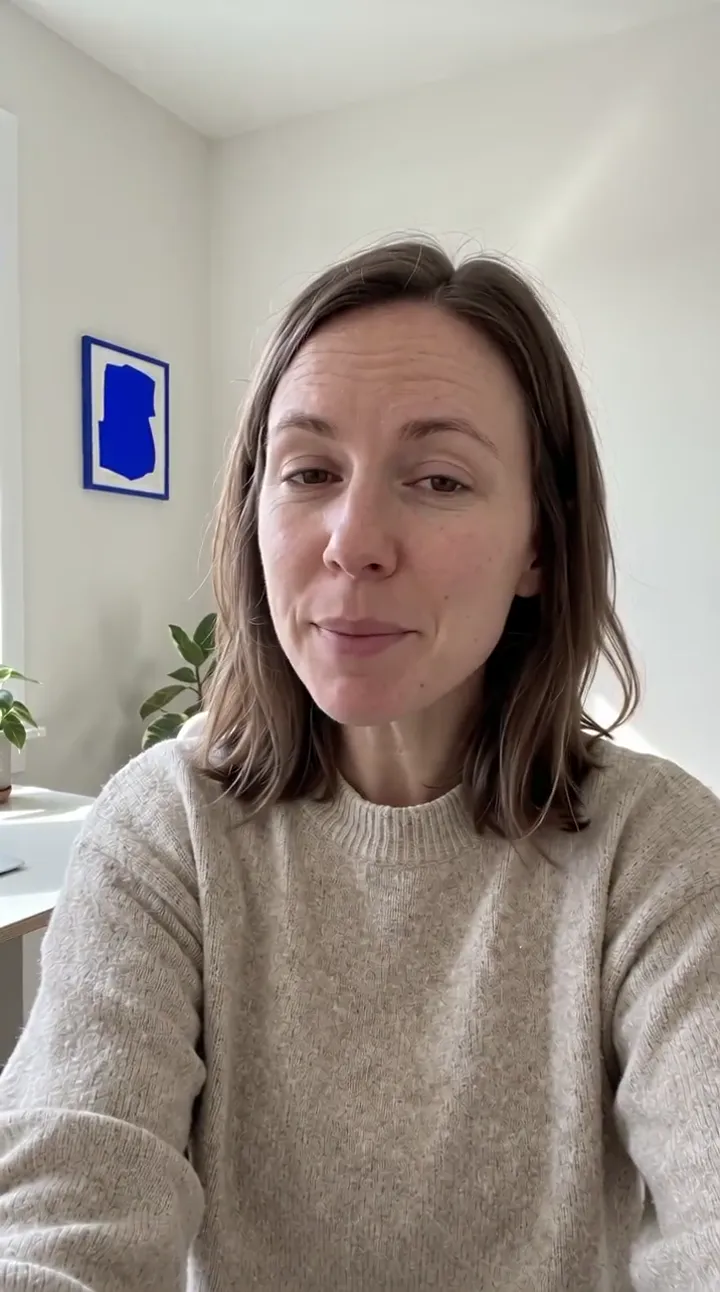
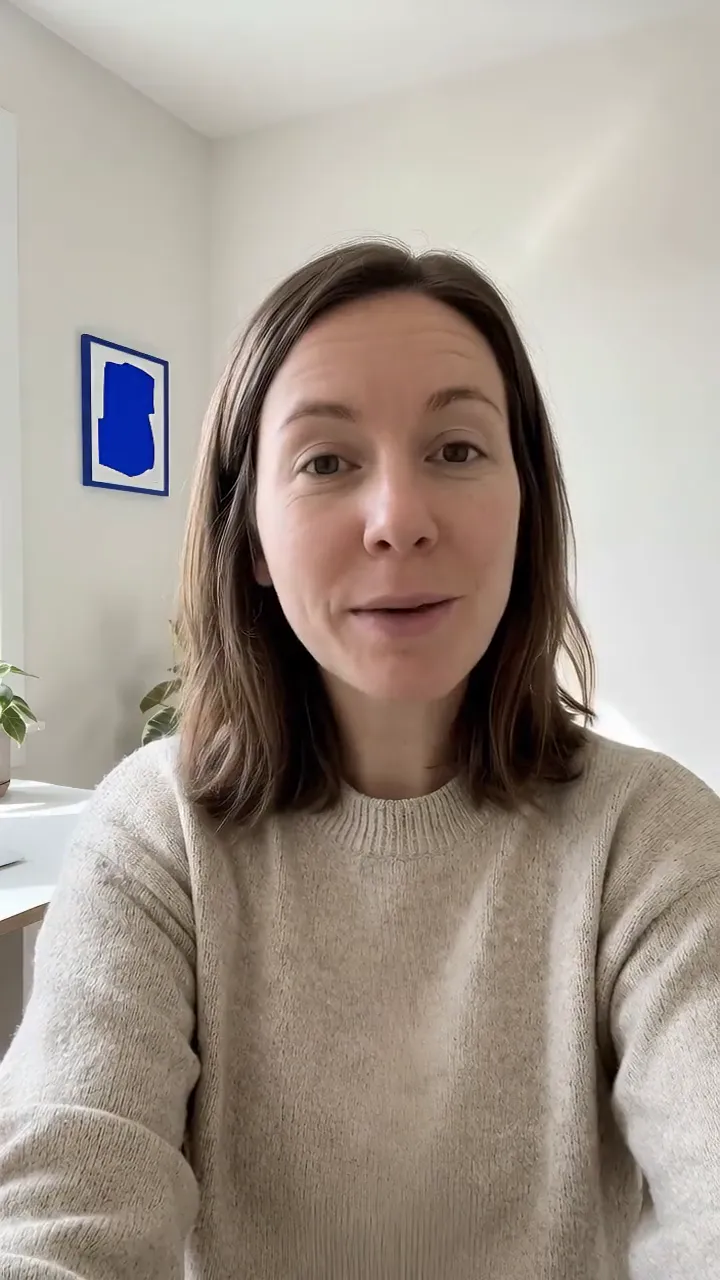
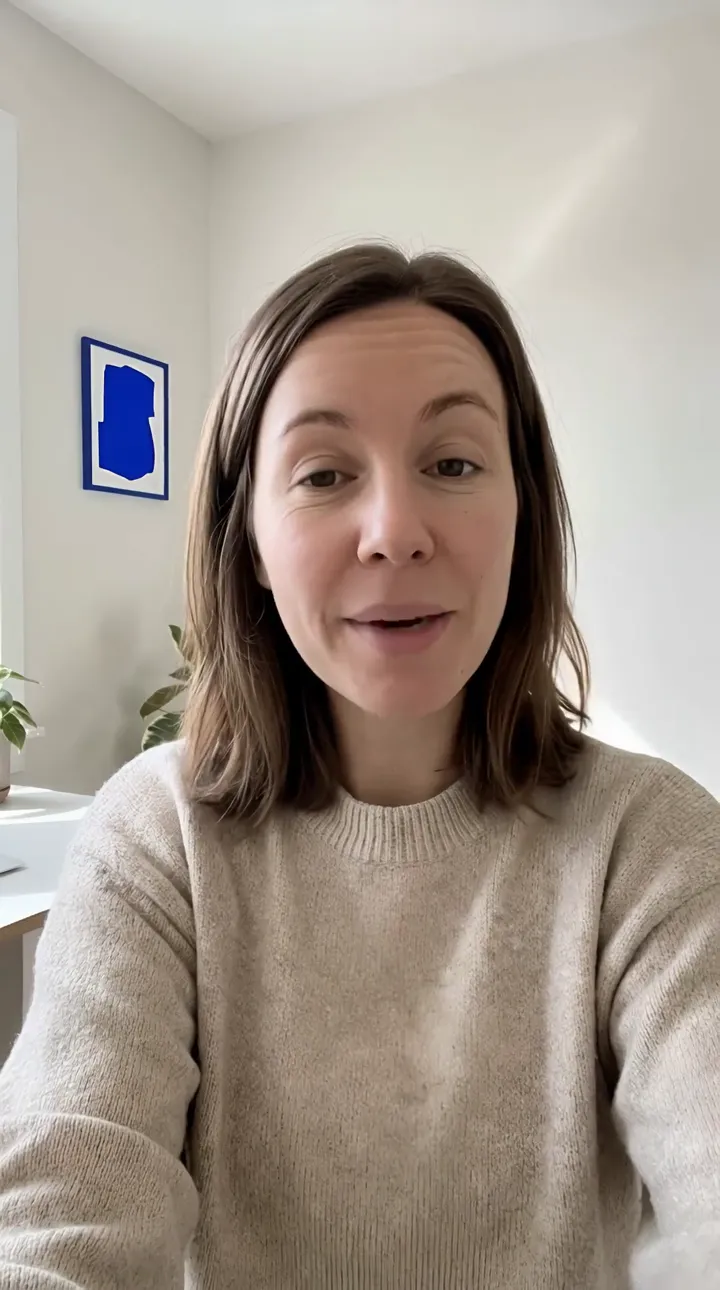
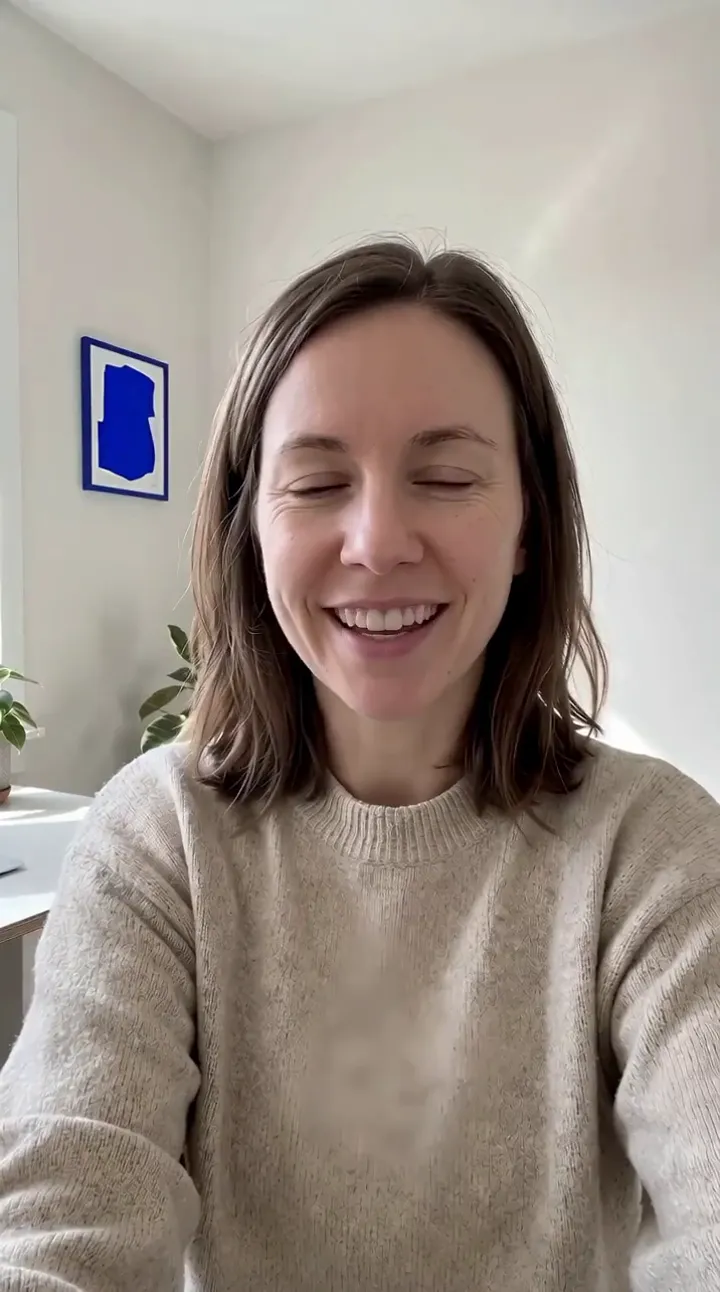
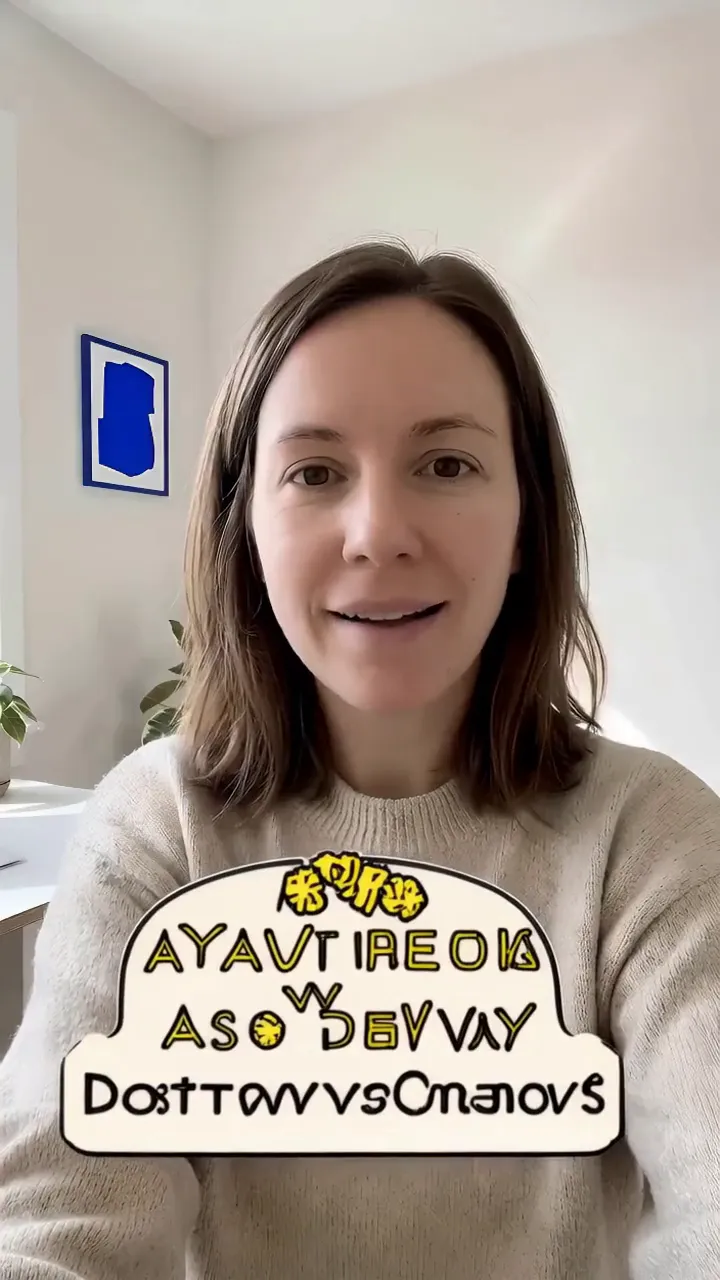
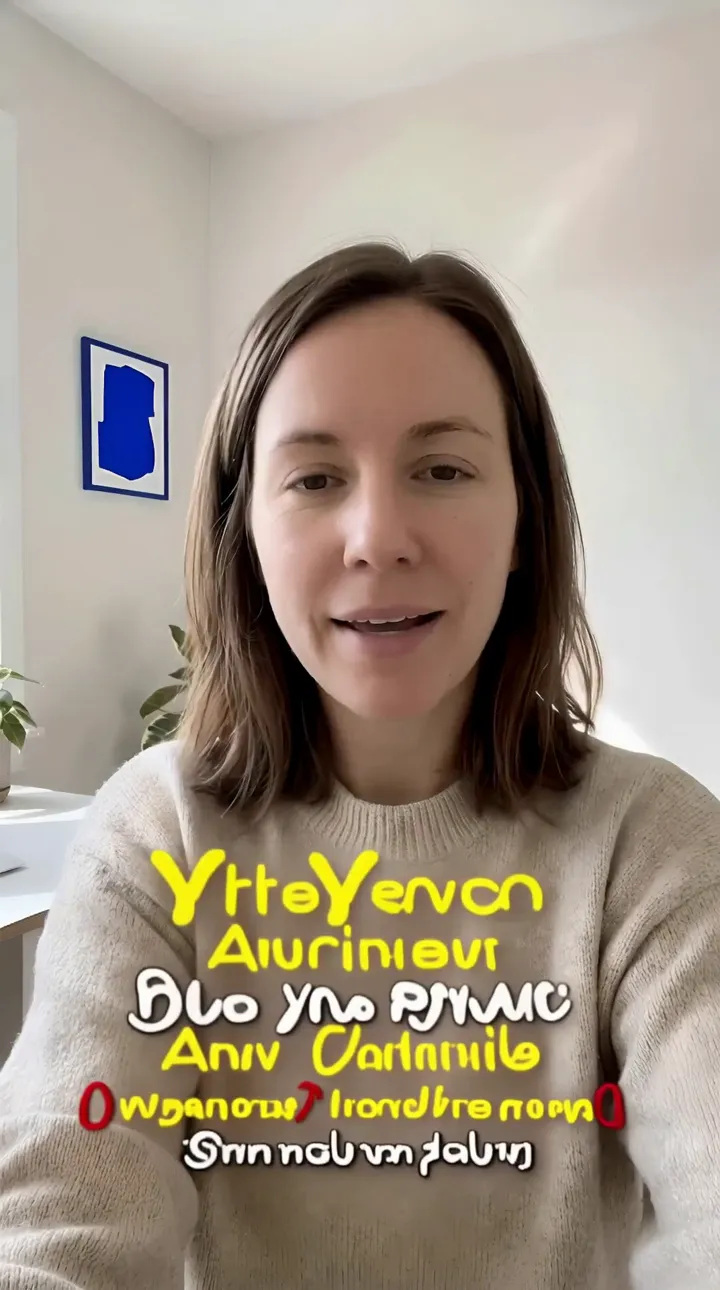
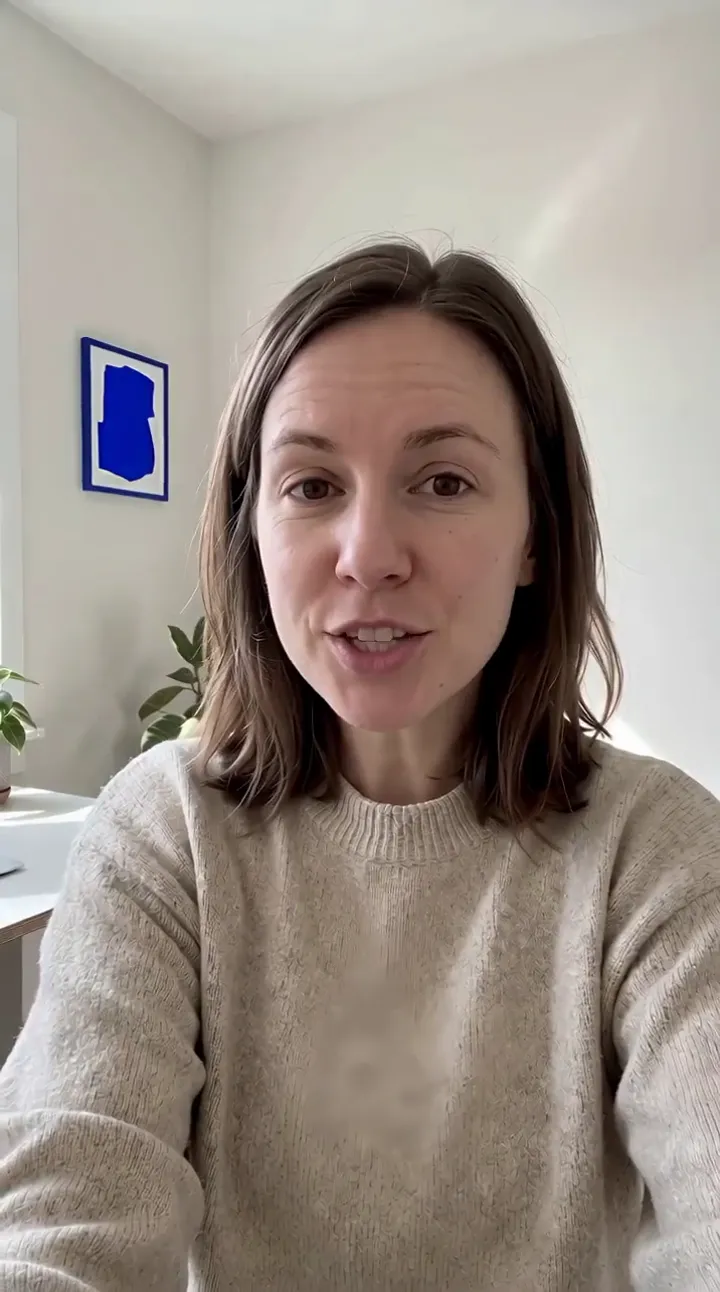
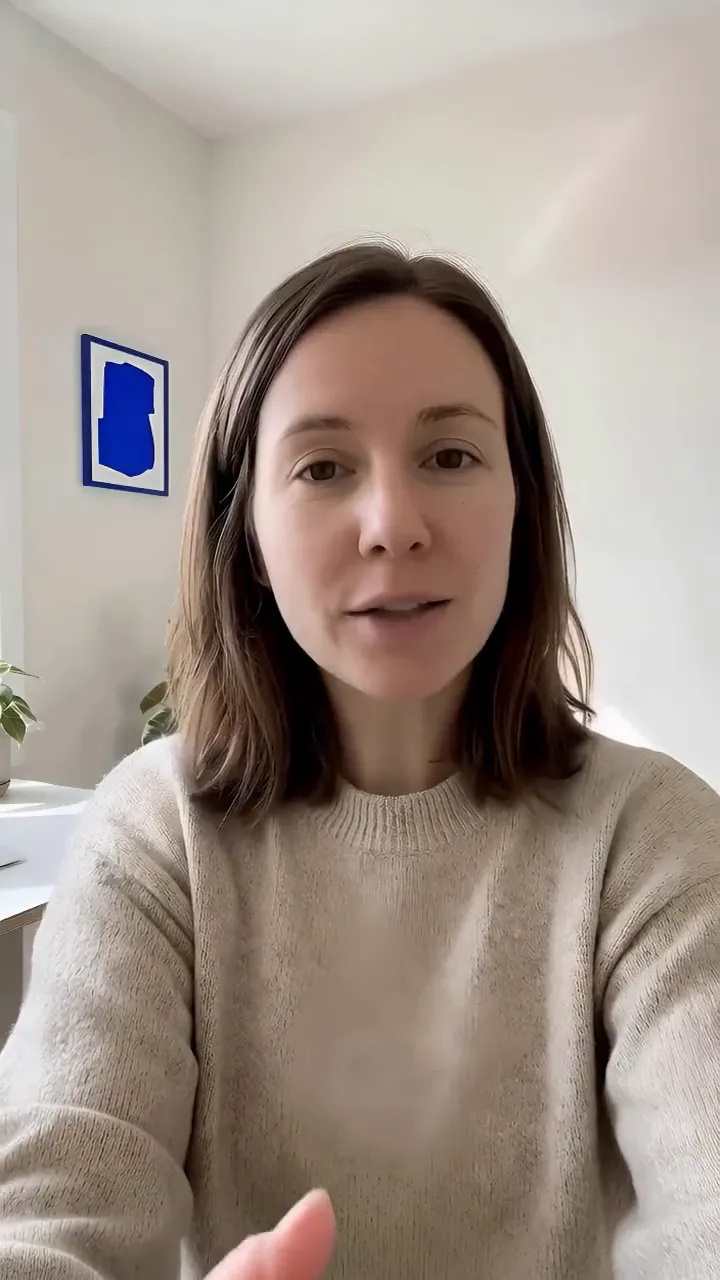
Each tab is one script across all three models. "Play all, muted" starts them simultaneously so you can compare head motion and mouth shapes; tap any single take for sound. Captions carry the exact charge and render time; datasets: pitch, hook, explainer. These are AI-generated presenters, disclosed as such.
The prompt: A woman in her thirties in a bright home office says one line to camera: "Still spending your Sunday in Ads Manager? Adside launches and improves your Meta and Google ads for you." The presenter is an AI-generated still; the line is an ElevenLabs eleven-v4 read. Only the avatar model changes.
The caption problem
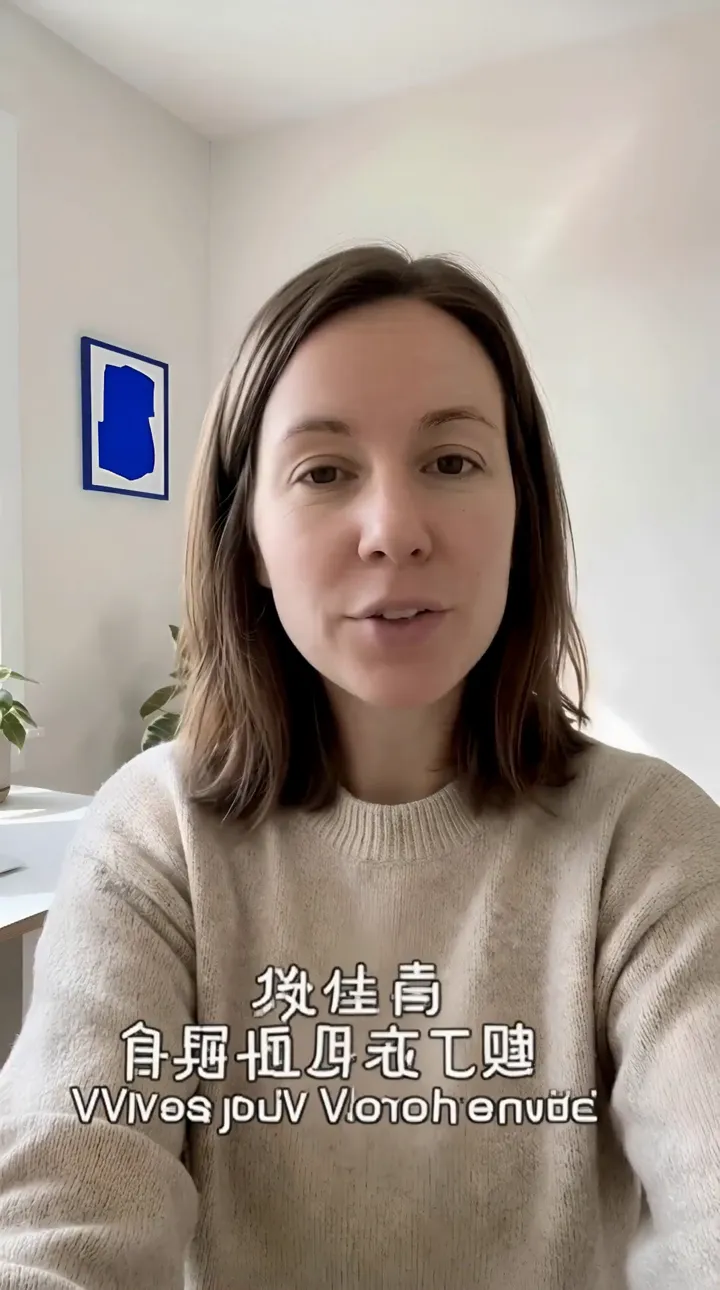
Here's the finding that changes the buying decision. On all six Kling takes with our presenter, across both tiers and all three scripts, the model burned caption-style text into the video. Not real captions: gibberish letters styled like TikTok subtitles, drawn into the pixels where a caption bar would go, and on one take it invented fake Chinese characters above mirrored gibberish. The Pro tier even invented a yellow caption card for the hook script. OmniHuman returned a clean frame all three times.
Before concluding anything from six takes, we spent another $1.29 checking whether the input mattered: a new presenter still (a man in a kitchen, five cents of Nano Banana) through both Kling tiers with the same hook audio. Both came back completely clean. So the caption reflex is input-dependent: one still triggered it on six takes out of six, another never did, and nothing in the parameters or docs predicts which kind you're holding. For a pipeline that's arguably worse than a universal quirk, because you discover it after you've committed to a presenter.
I'd guess Kling's training data taught it that talking-head video comes with burned-in subtitles, so it helpfully hallucinates some. Whatever the cause, the consequence is practical: you can't crop them out reliably, you can't overlay real captions on top of fake ones, there's no switch to flip (the avatar APIs take an image and an audio file, nothing else, so there is no prompt field to ask for a clean plate), and so with an affected presenter, raw Kling output is unusable for ads without masking or a new still. If a workflow needs captions (and for sound-off feeds it does), you want a model that returns a clean plate you caption yourself in post.
When you evaluate an avatar model, don't ask "how's the lip sync?" first. Ask "does it return a clean frame I can build on?" Lip sync improves every quarter; a hallucinated caption ruins the take today.
On the things reviews usually measure: lip sync was credible on all nine takes at feed scrolling speed, with OmniHuman's mouth shapes slightly tighter to the consonants and Kling's head motion slightly more relaxed. OmniHuman's constraints showed up too: in our runs it needed at least 4 seconds of audio to accept a job, and its delivery runs a touch over-animated, like a presenter who's had one more coffee than needed. Kling Pro's 1080p frame is visibly sharper than the 720p tiers if you plan to crop.
API rates vs app subscriptions
The per-second APIs above are one way to buy this. The other is an app subscription, and the math differs more than the demos do:
| Tool | Entry price | What it buys | Effective rate |
|---|---|---|---|
| Kling Avatar v2 Standard (API) | pay per use | 720p avatar video | $0.0562/s ≈ $3.37/min |
| OmniHuman v2 (API) | pay per use | 720p avatar video | $0.105/s ≈ $6.30/min |
| HeyGen | $29/mo, 600 credits | ~19 one-minute Avatar IV videos | ~$1.50/min⁴ |
| Synthesia | $19/mo, ~12 min | stock or custom avatar video | ~$1.58/min⁵ |
| Creatify | $10/mo, 55 credits | ~11 fifteen-second avatar videos | ~$0.91/video⁶ |
| Arcads | ~$110/mo (reported) | ~10 talking-actor minutes | ~$11/video⁷ |
Read the comparison honestly and the apps aren't overpriced: HeyGen's ~$1.50 per minute is cheaper than OmniHuman's $6.30 if you actually use the plan's full allowance, and the apps bundle licensed actor libraries, editors and stock voices. To be explicit about scope: we didn't render HeyGen or Synthesia takes, so this article settles the API choice, not apps-versus-API quality. Arcads has no public pricing page at all, so treat its numbers as third-party-observed. The API wins on two things: paying only for what you render, and slotting into automation. When avatar takes are one step in a pipeline that writes scripts, generates voices, renders takes and ships the survivors to Meta, a per-month seat in a web editor is the wrong shape. That pipeline shape is exactly what we run at $1 to $10 budgets.
Against a human UGC creator
The human benchmark: Billo's UGC videos start at $99 and its published rate data averages about $198 per deliverable⁸; Influee's marketplace guide puts most single videos at $150 to $300, with usage rights adding 30 to 50% on top⁹. Delivery takes days to weeks. The avatar equivalent of a 30-second take costs $1.69 to $3.45 and arrives in minutes.
So is the performance comparable? The only honest answer is that nobody has published a neutral study. The data that exists is vendor- or platform-published: a 2026 benchmark across 12,347 ads found UGC-style creative beating polished creative on CTR by 33% on Meta and 44% on TikTok, but losing on purchase intent for products over $200¹⁰, and TikTok's marketing-science numbers point the same way, with the usual caveat that the platform is grading its own homework. None of that distinguishes AI presenters from real ones.
My read, from running both: AI avatars are a testing instrument. They let you test ten hooks for the price of one creator video, find the two scripts that pull, and then decide whether a real creator shooting those two scripts earns their $200. The creator's advantages (product in hand, real kitchen, their own delivery quirks) are exactly the things UGC buyers pay for; the avatar's advantage is that iteration is nearly free.
Disclosure rules, actually read
Three facts, from the platforms' own policies rather than panic posts. Meta's mandatory AI-disclosure rule covers social-issue, electoral and political ads; ordinary commercial ads fall under its detection-based "AI info" labeling, which keys off industry-standard metadata¹¹. TikTok requires a toggle in Ads Manager for ads containing AI-generated content, and auto-labels media carrying C2PA credentials¹². And consumers are worse at spotting synthetic presenters than they believe: in iProov's 2025 study only 0.1% of participants identified all the AI content shown to them, while 60% of adults in Jumio's survey were confident they could¹³.
Our practice, which goes further than Meta requires: realistic avatar ads get a small on-screen "Dramatized with AI actors" line. Partly ethics, partly pragmatism; platforms are adding labels, not removing them, and a detector-applied label on an undisclosed ad reads worse to a viewer than your own disclosure ever would.
Frequently asked questions
What is the best AI avatar generator for UGC-style ads?
For API work, OmniHuman v2 was the only model in our test that returned a clean, caption-free frame on all three scripts, at $0.105 per second of video. Both Kling AI Avatar v2 tiers produced smooth lip sync but burned gibberish captions into all six takes with our main presenter; a second presenter came back clean, so the failure is input-dependent and hard to predict. If you want an app instead of an API, HeyGen and Synthesia work out to roughly $1.50 per minute of avatar video on their entry plans.
How much does an AI avatar video cost?
Through APIs, avatar video is billed per second of output: Kling AI Avatar v2 Standard costs $0.0562 per second, OmniHuman v2 $0.105, and Kling v2 Pro $0.115 on fal.ai. A 30-second UGC-style ad therefore costs between $1.69 and $3.45 in generation, plus a few cents of ElevenLabs voice. All nine takes in this article, three models by three scripts, cost $5.57 together.
Are AI avatars cheaper than hiring a UGC creator?
By roughly 50 to 100x. A human UGC creator video starts at $99 on Billo and averages around $150 to $300 per video across the big marketplaces, with usage rights often adding 30 to 50%. The same 30 seconds from an avatar API costs $1.69 to $3.45. That doesn't make creators obsolete: a real person brings authenticity, product handling and their own audience. It changes what you test with AI and what you commission.
Do I have to disclose AI avatars in ads?
On Meta, mandatory disclosure only applies to social-issue, electoral and political ads; ordinary commercial ads fall under its detection-based AI info labeling. TikTok Ads Manager has a required toggle for ads containing AI-generated content. Our own practice is to label realistic avatar ads anyway (a small "Dramatized with AI actors" line), because platforms are moving toward more labeling, not less, and getting caught un-labeled by a detector is worse than labeling.
Can people tell an ad presenter is an AI avatar?
Less often than they think. In a 2025 iProov study, only 0.1% of 2,000 consumers correctly identified all the real and AI stimuli they were shown, even though they were primed to look, while a 2024 Jumio survey found 60% of adults believe they could spot a deepfake. The gap between confidence and ability is the point: judge avatar quality take by take, because viewers who do spot a tell lose trust quickly.
Sources
- Per-second avatar pricing — fal.ai, Kling AI Avatar v2 Standard (2026), Kling v2 Pro (2026) and OmniHuman v2 (2026)
- ElevenLabs eleven-v4 API pricing, $0.08 per 1,000 characters — ElevenLabs API pricing (2026)
- OmniHuman capability claims and 720p output — BytePlus OmniHuman product page (2026)
- HeyGen plan pricing and Avatar IV credit rates — HeyGen pricing (2026) and HeyGen credit table (2026)
- Synthesia plan minutes — Synthesia pricing (2026)
- Creatify credits and per-video example — Creatify pricing (2026)
- Arcads tier pricing as observed in-app (no public pricing page) — Wireflow, Arcads pricing breakdown (2026)
- UGC video starting price and average deliverable cost — Billo pricing (2026) and Billo UGC rates (2026)
- Creator rate ranges and usage-rights uplift — Influee UGC pricing guide (2025)
- UGC-style vs polished ad benchmark, 12,347 ads — Benly ad creative benchmarks (2026, vendor-published)
- Meta's AI labeling and political-ad disclosure rules — Meta newsroom (2024, updated 2025)
- TikTok's AI-generated content rules for ads — TikTok Ads help center (2026)
- Deepfake detection rates vs confidence — iProov Deepfake Blindspot study (2025) and Jumio Global Identity Survey (2024)